

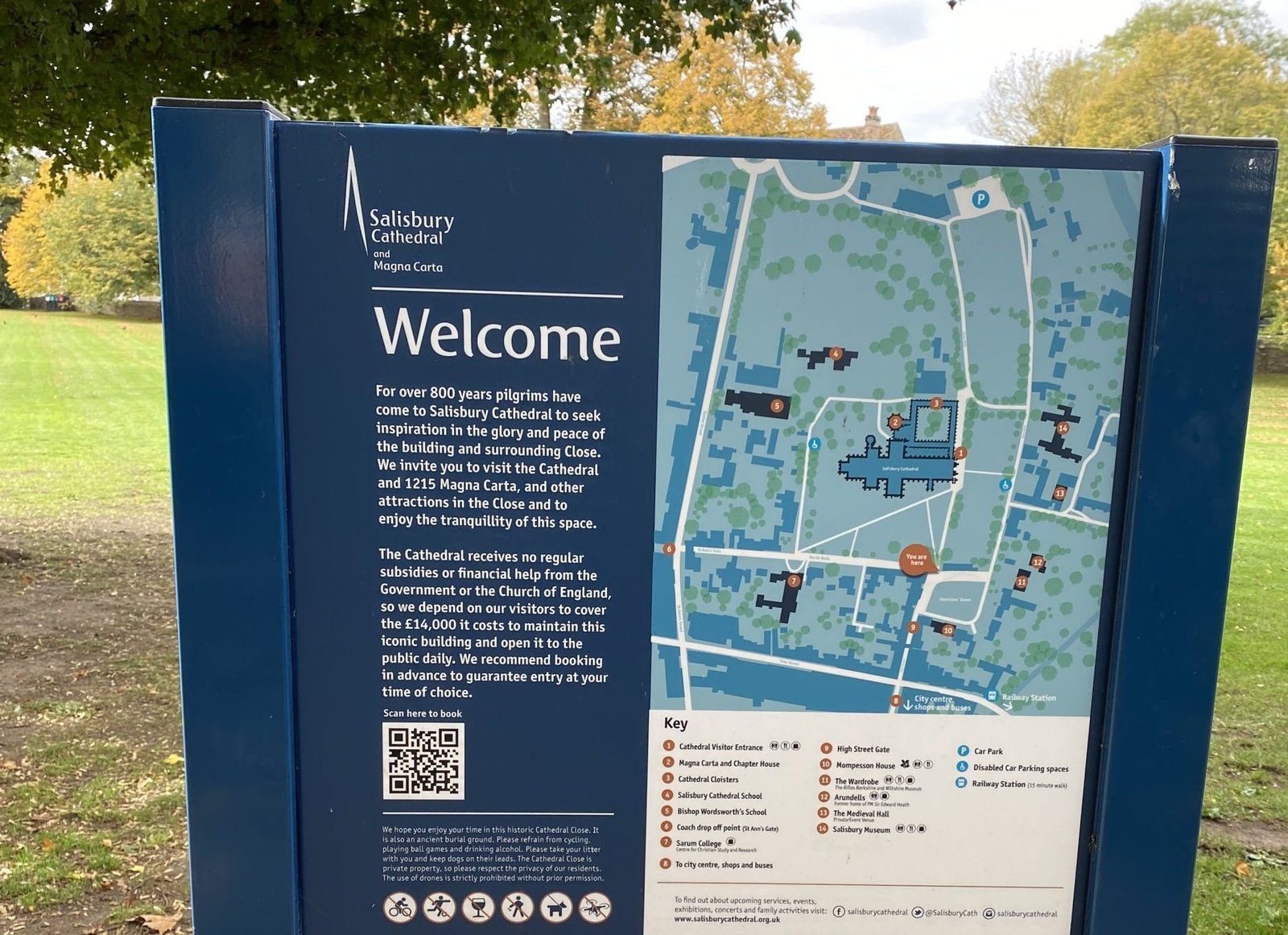
Are you welcome? Do you welcome?
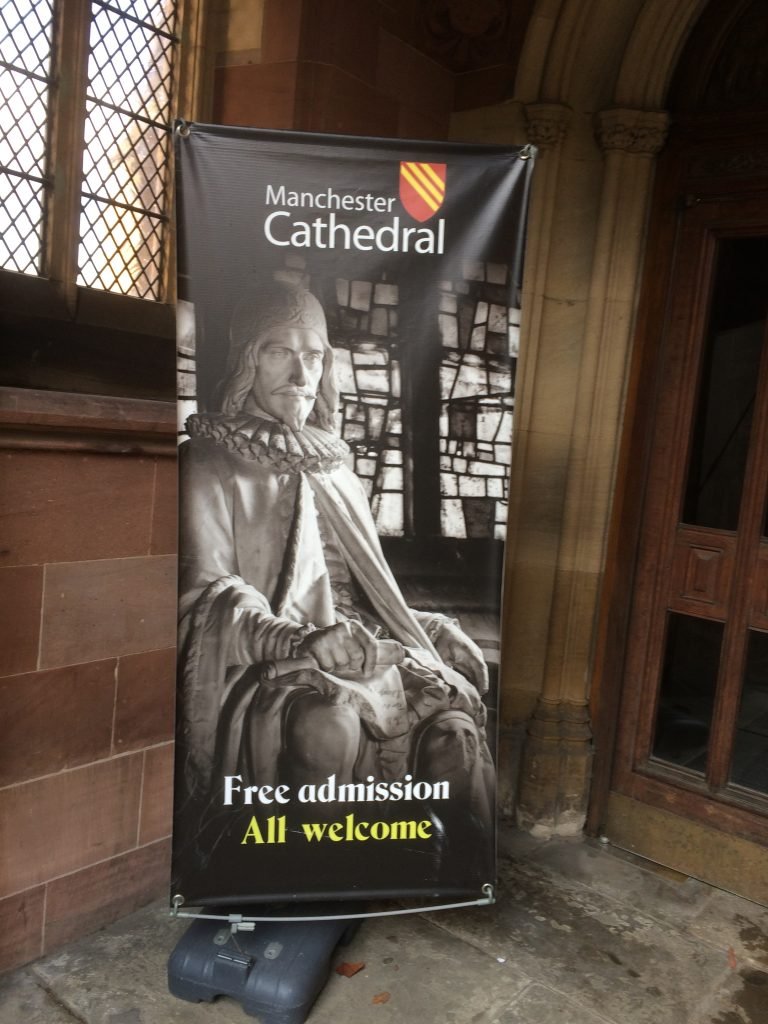
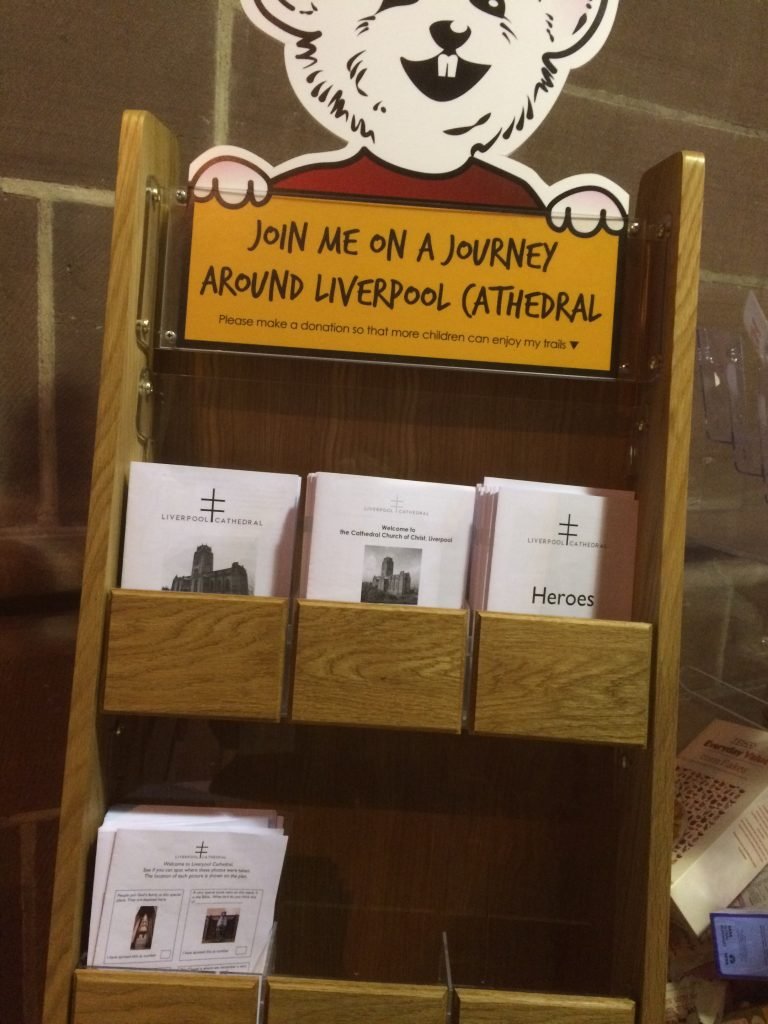
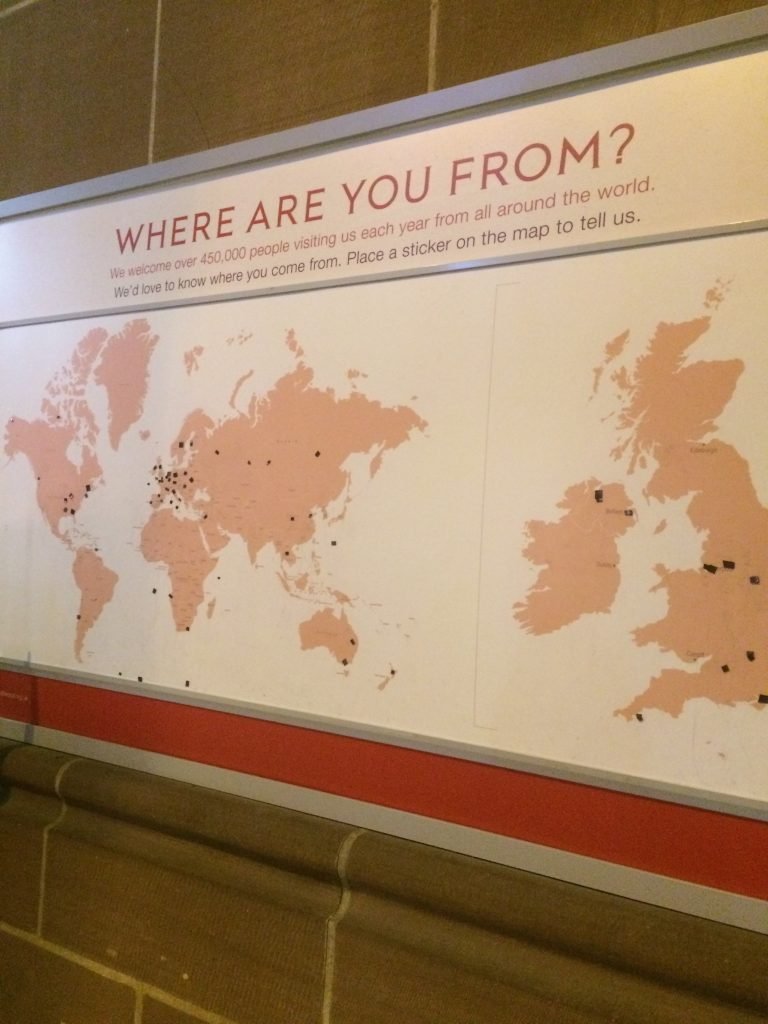
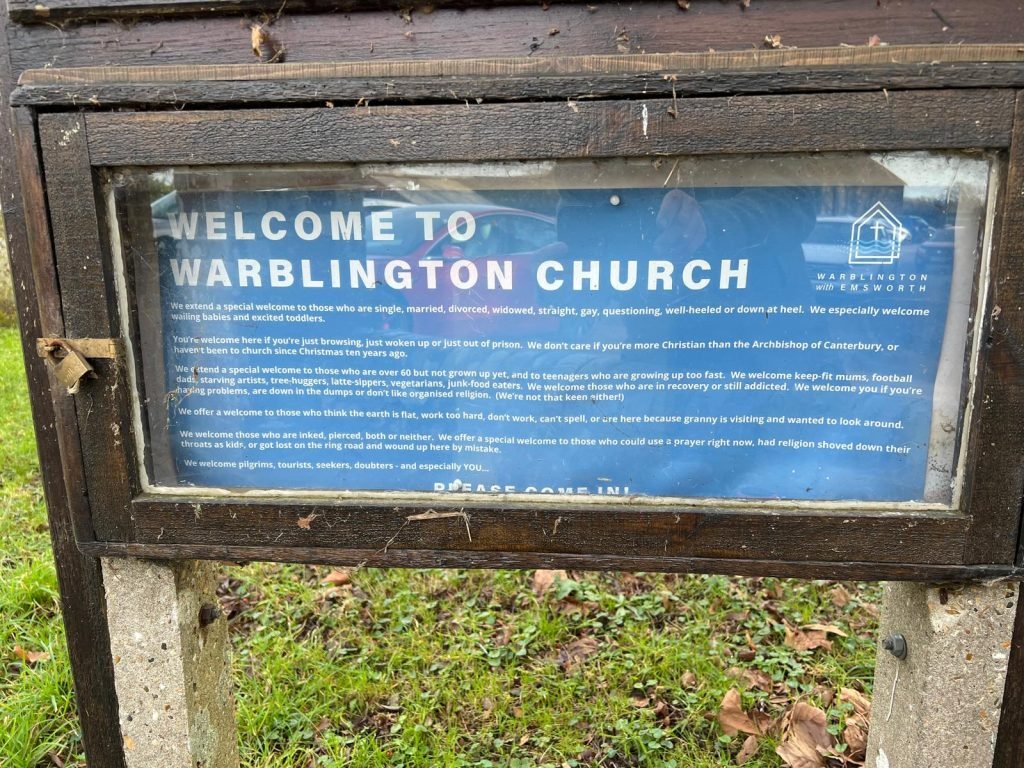
During my holidays and in fact whenever I find myself visiting somewhere, I look especially for signs of welcome.
Whether it is invitational: “Come in and [do, experience, see… ]”
or
a passive message: “Welcome to …”
I take photos of most signs that I see…
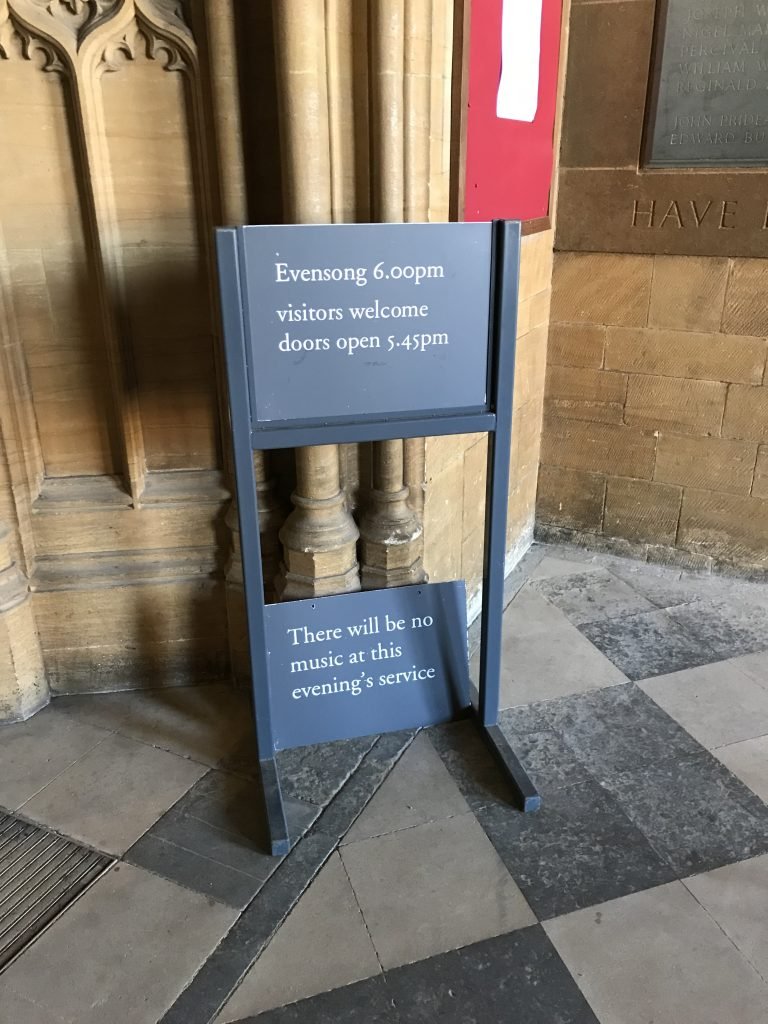
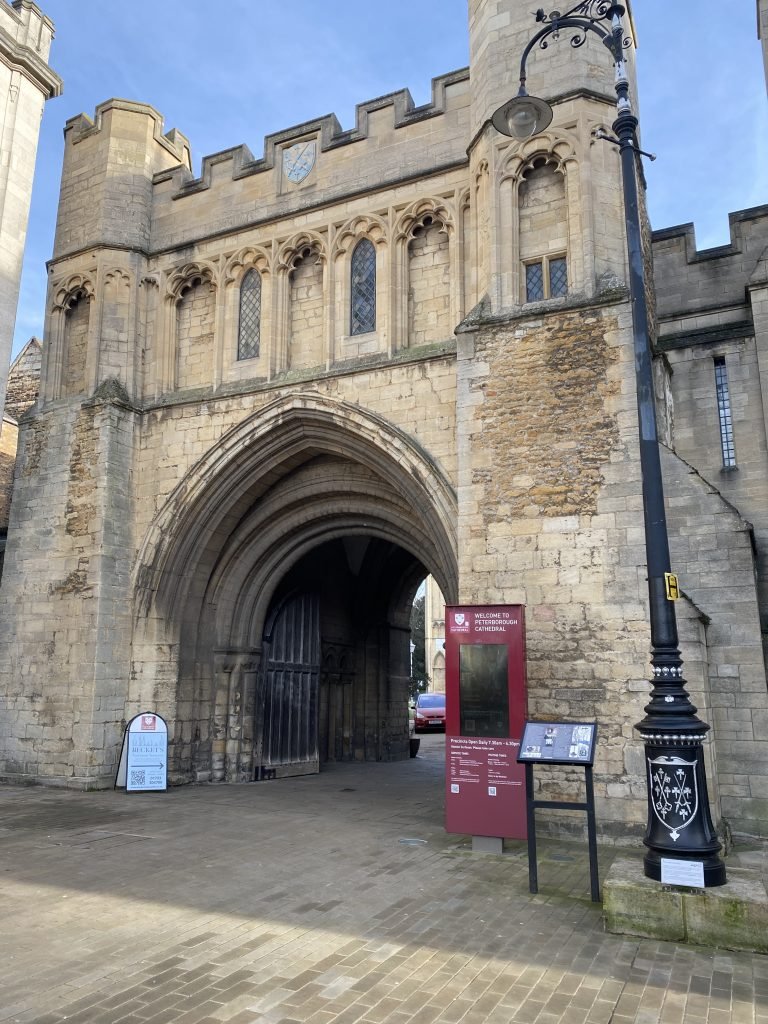
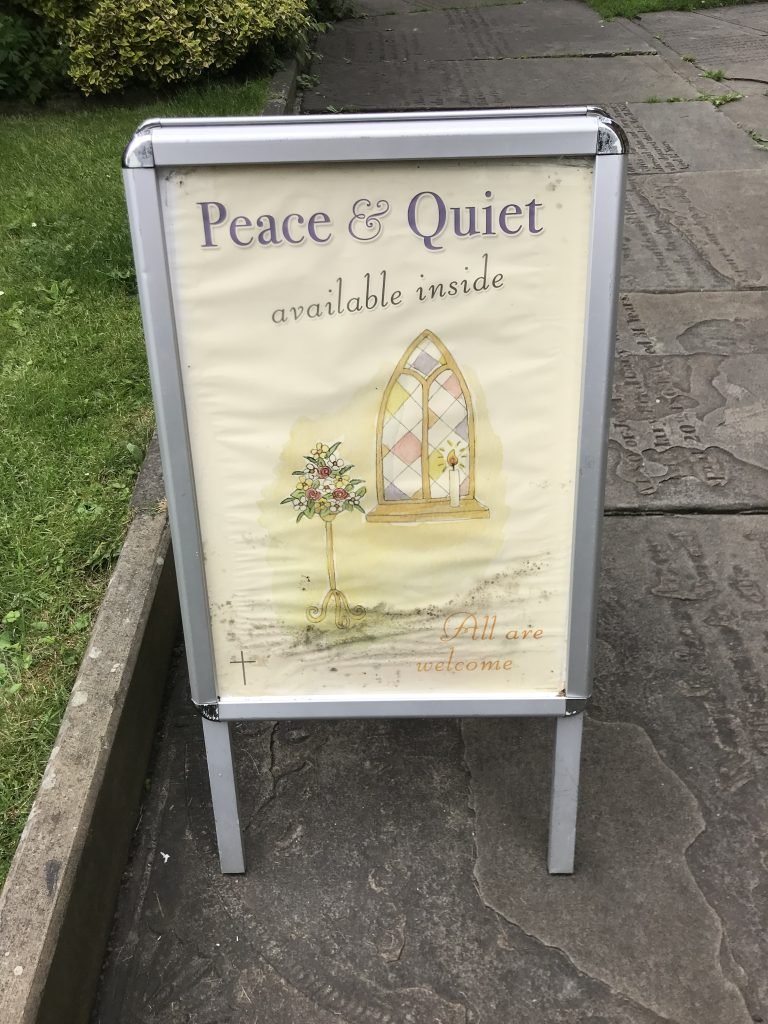
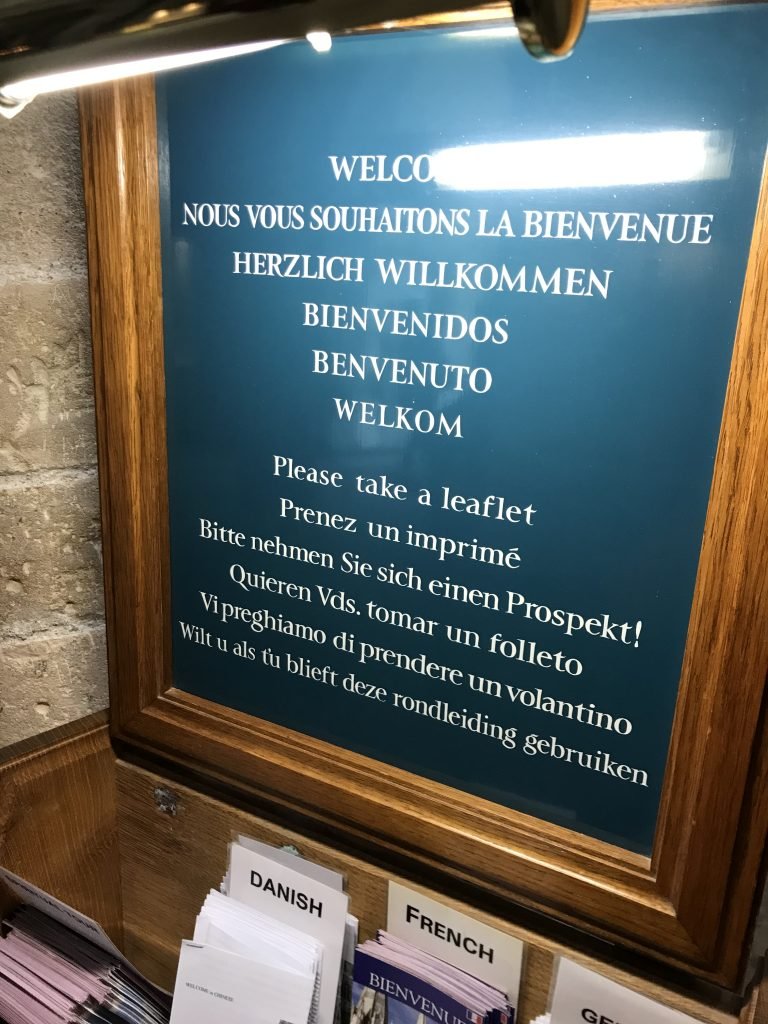
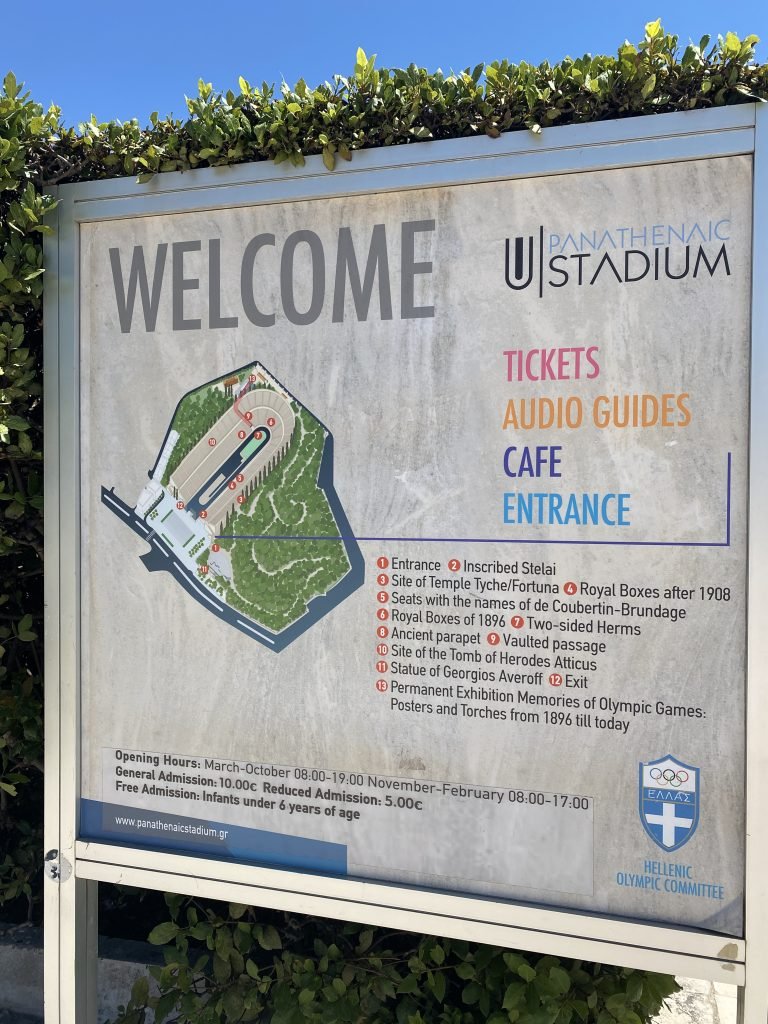
But, what is the message I get on approaching the building or site? Am I made to feel welcome at the outset?
This August, I have been busy planning our next annual conference with an amazing team and we are to be hosted by Liverpool Cathedral in January 2027. Our theme is:
BEACONS OF LIGHT: Welcoming | Learning | Engaging in Places of Faith & Heritage
So I am writing a piece about each of the key concepts that we will focus on… today it is WELCOME. This blog is not confined to a review of Welcome at our member sites, but includes observations at any visitor attractions where lessons might be learned across the sector.
I have this year had to walk past security staff dressed all in black with ear-pieces and radios hissing and clicking on their hips – to enter a cathedral on one occasion and to a theatre on another. Although on both occasions I was ‘legitimately visiting’, I felt like an intruder. To the former, I was attending a conference; to the latter I had tickets for the show. The security staff were extremely friendly and polite, I must admit, however I felt apprehensive on approaching the entrance when I first spied them and even though my rational head reassured me that these staff were obviously necessary, my gut reaction was to turn away. What dangerous place am I walking into?
I wondered how others might view this ‘welcome’ if they had never visited such a place before; if they didn’t have tickets; if they were seeking solace or escapism, a new positive experience or discovery. Perhaps someone hoping to make an enquiry or intending to venture inside to explore would be put off by the first sign of ‘welcome’. Whatever the signage, whatever the words, what is the message?
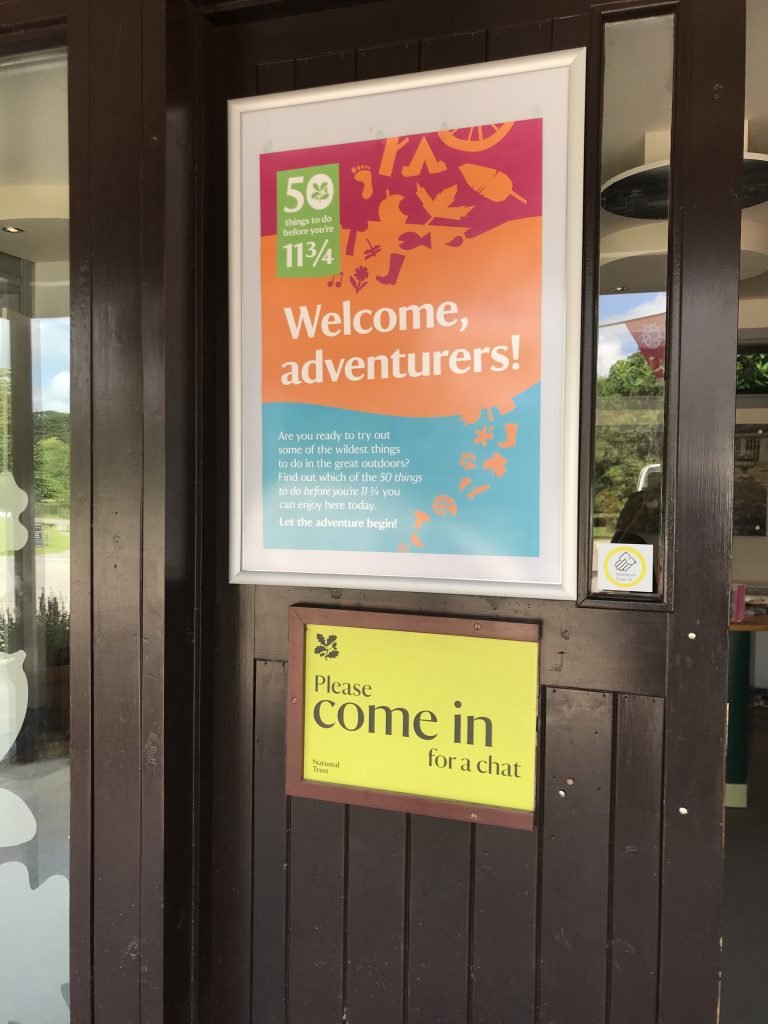
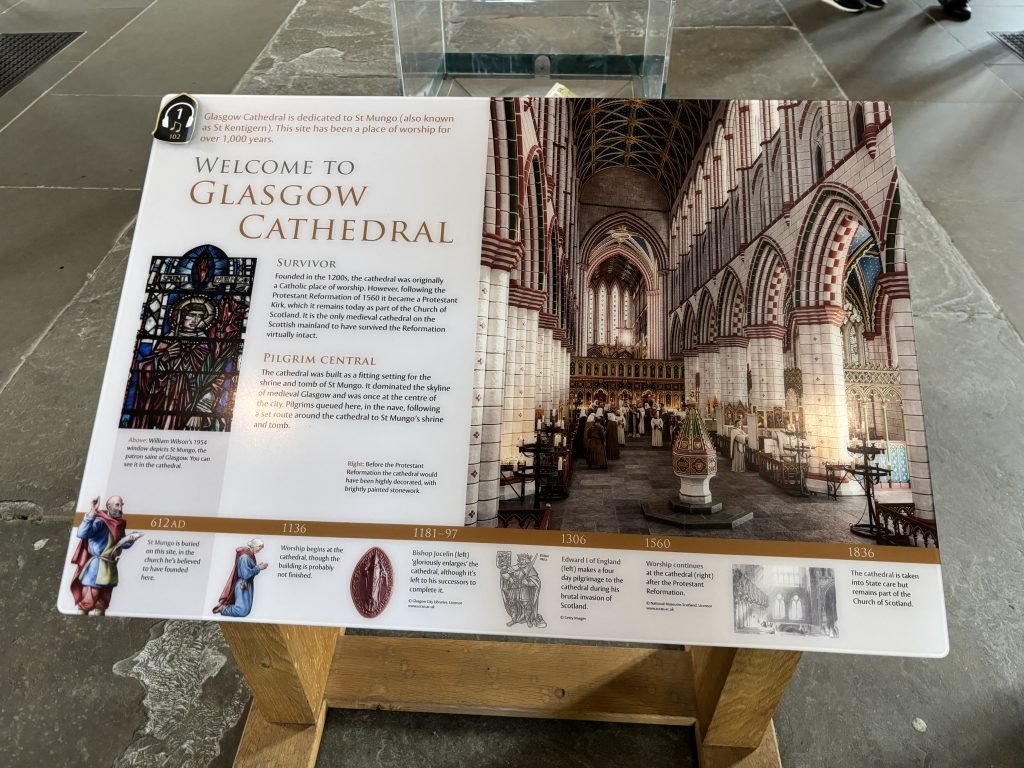
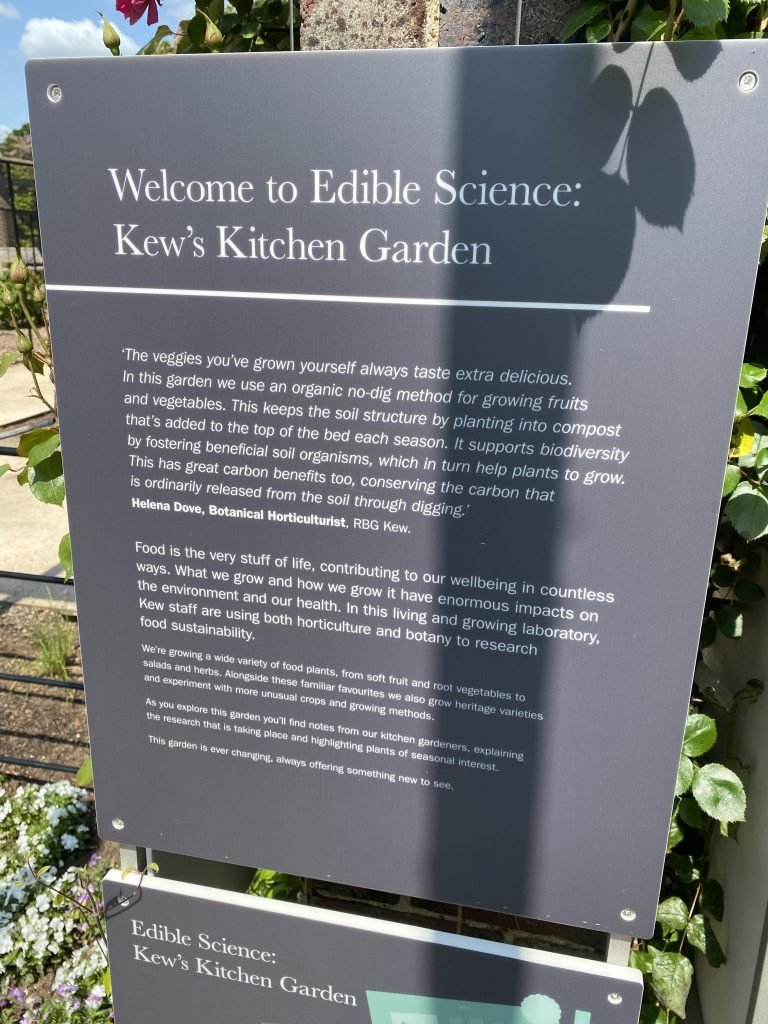
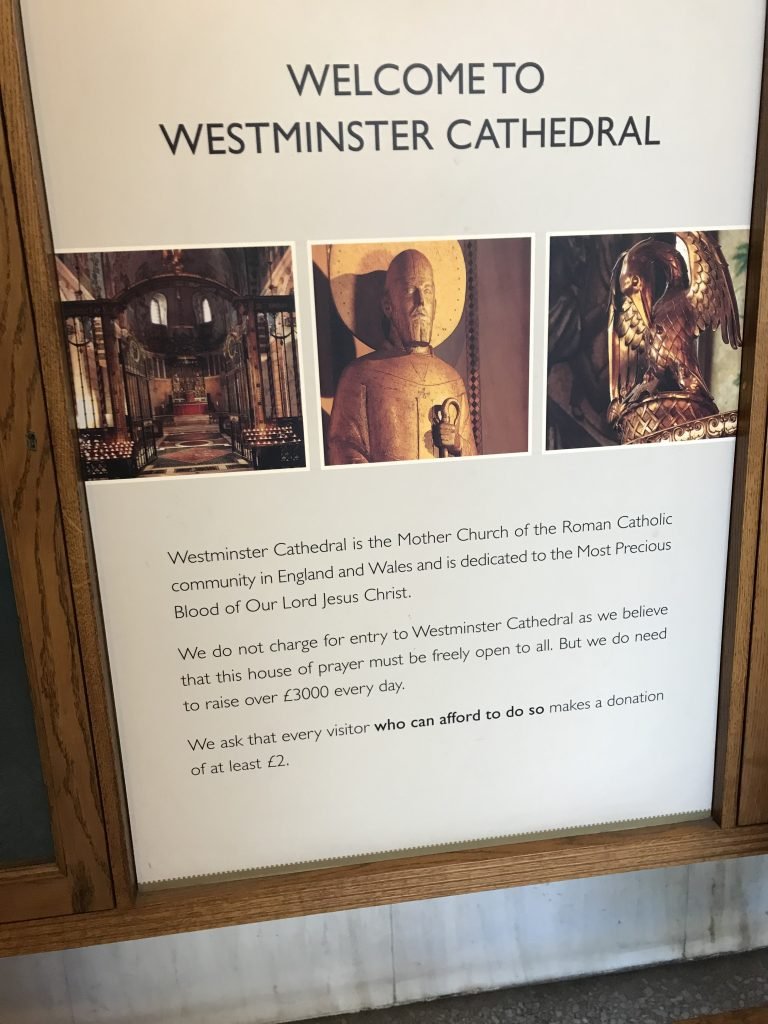
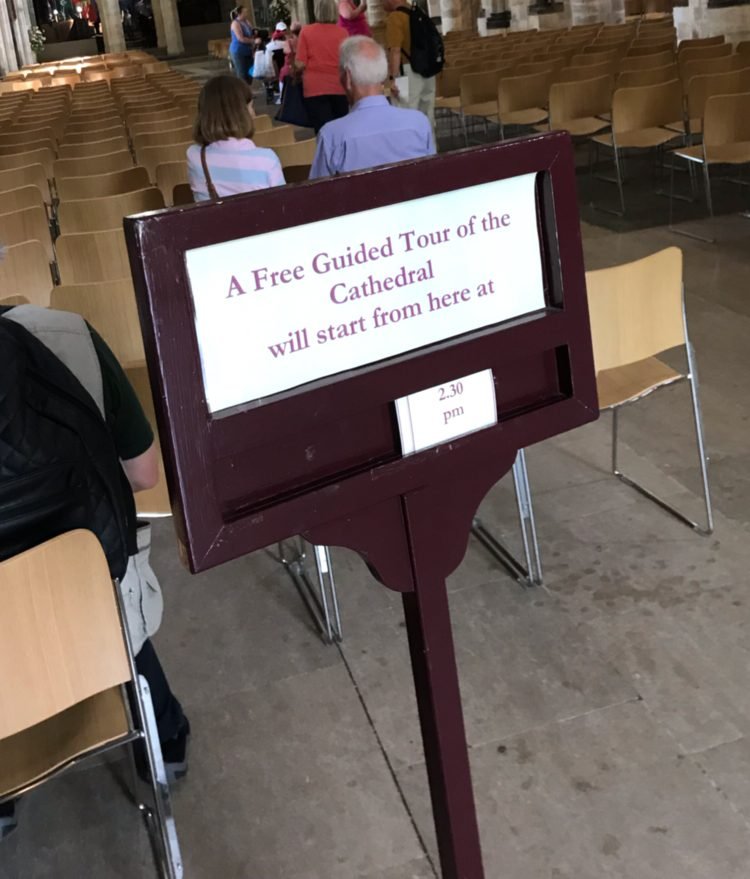
I looked up the word welcome. Wiki says simply: A welcome is a kind of greeting designed to introduce a person to a new place or situation, and to make them feel at ease.
The last part of that definition has confirmed my doubts about what we understand welcome to be and ask ‘How do we welcome our visitors?’ More importantly, however, ‘How is our welcome received?’ In preparing Visitor Strategies, I know there are a great many elements to address. However, I understand ‘welcome’ not as just a word on display or a specific location where ‘it’ happens (the welcome desk!), but welcome is dynamic and experienced. Providing a welcome means offering not just one greeting, but several opportunities to make people feel at ease on their first encounter that day or any other. As places that attract visitors, whether newbies or regulars, how do we convey our welcome message to them? In fact, the entire visit contributes to how a visitor might feel welcome.
We discussed this at our last conference in Dublin – The Ministry of Welcome.
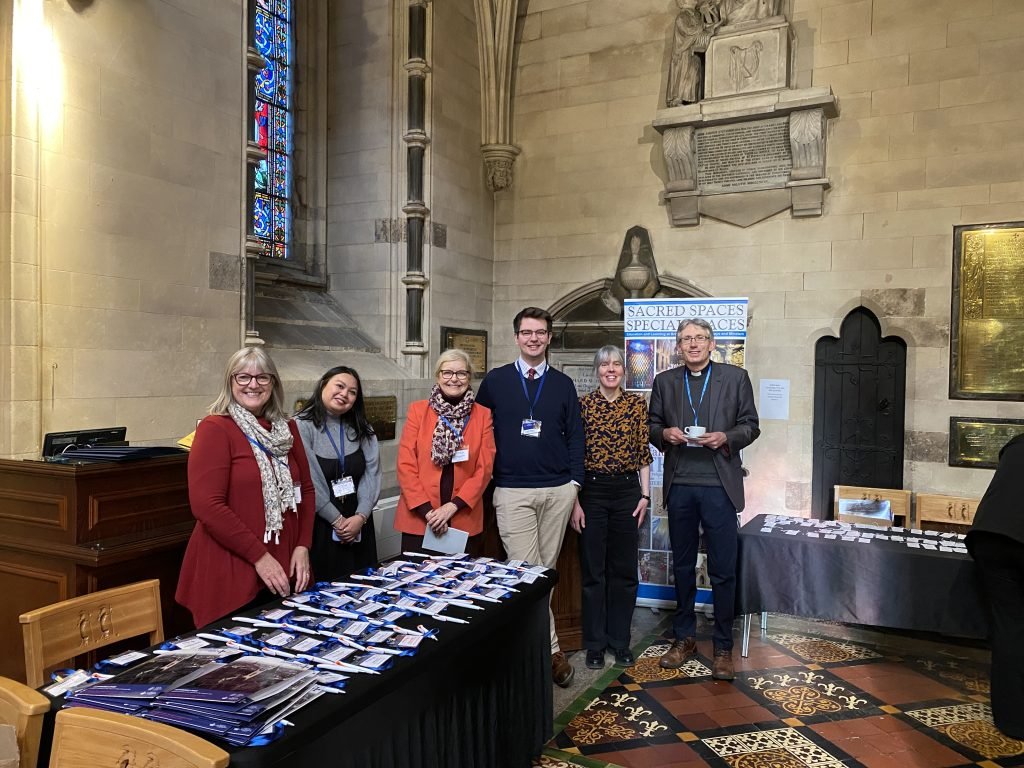
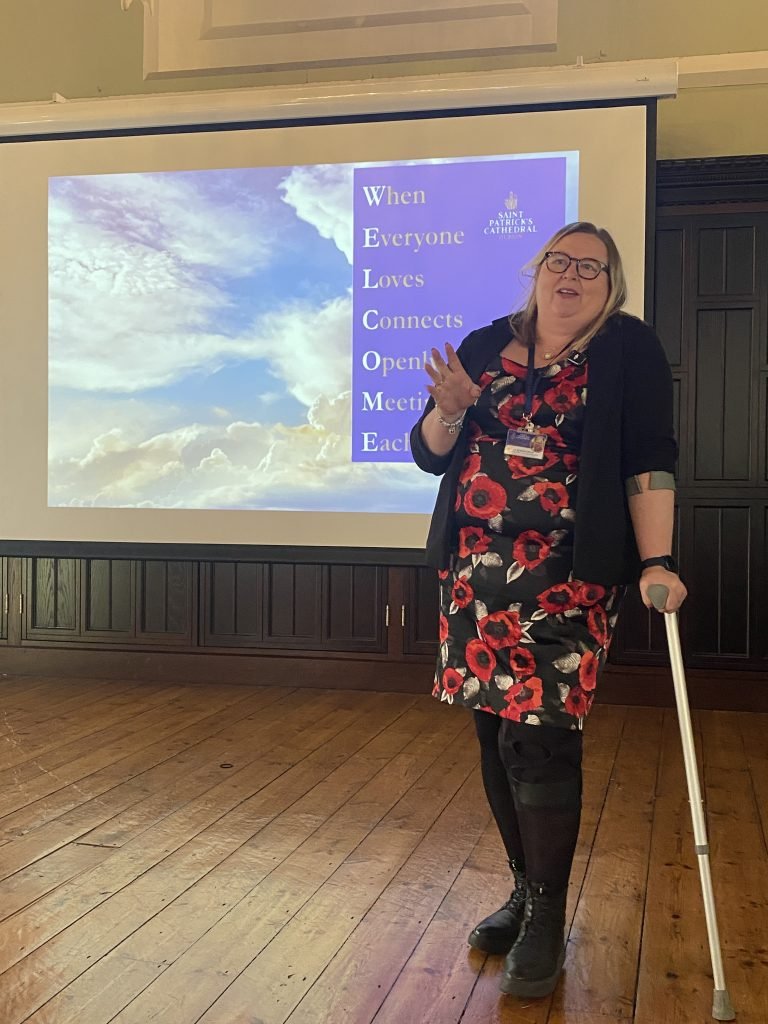
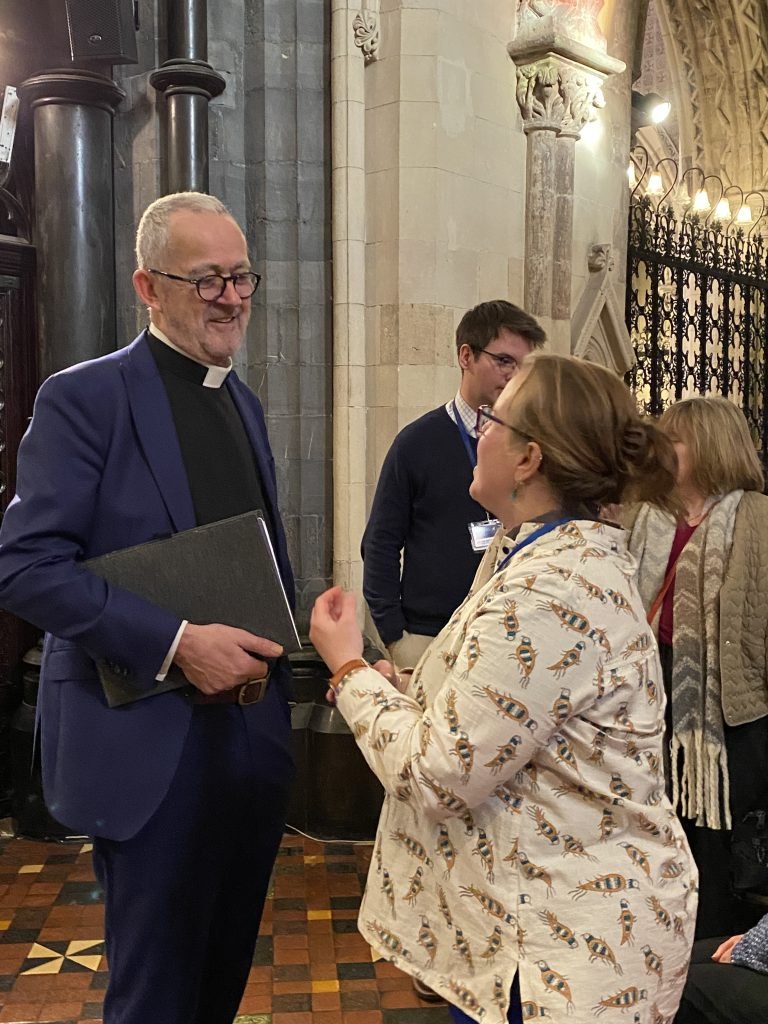
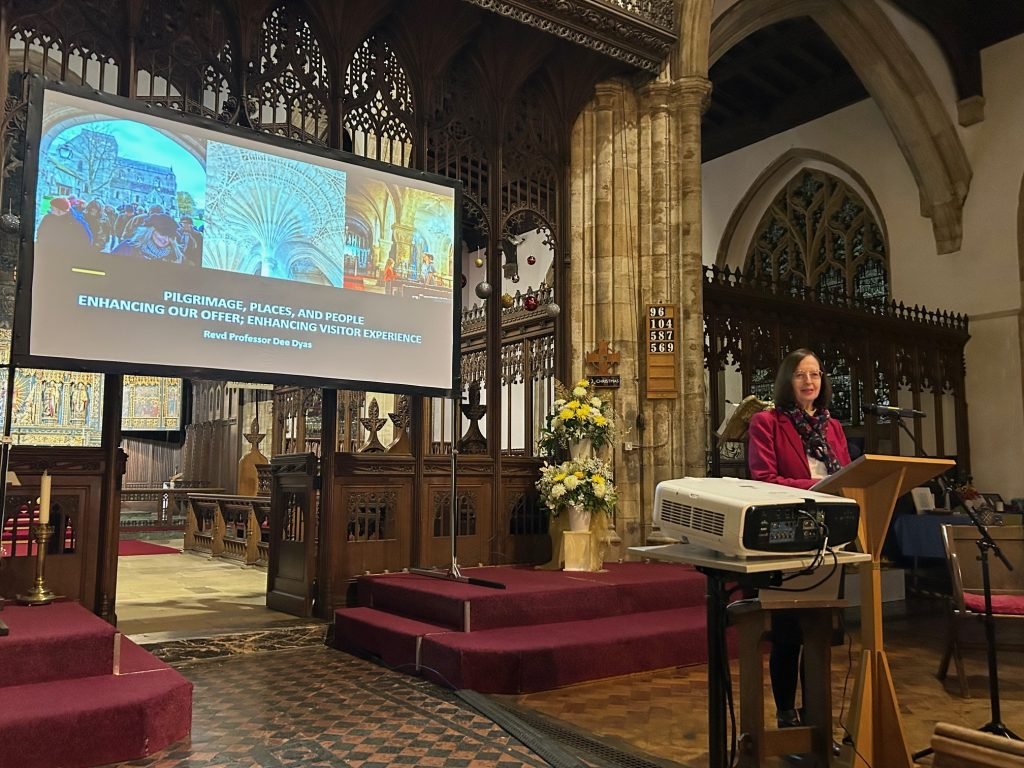
And previously in Peterborough in 2025. It is a fundamental topic for us at Cathedrals Plus as we support all those responsible for visitor experience in sacred places – adults and young people alike.
I think our members do ‘WELCOME’ very well! It’s not just the sign at the door, it’s the people and the way we bring together our visitors, our heritage and our stories. And yet there’s always more to explore:
THE WELCOME is a journey and it is impacted by so many things:
- The First Encounter: the Webpage, an Email, a Flyer or Ticket
- The Gateway or Site Entrance
- The Door
- The Desk
- The Person
- The Atmosphere
- The Expectations
- The Hospitality
- The Access
- The Signage
- The Stuff we present or display
- The Stories we tell
- Our Senses – The Experience
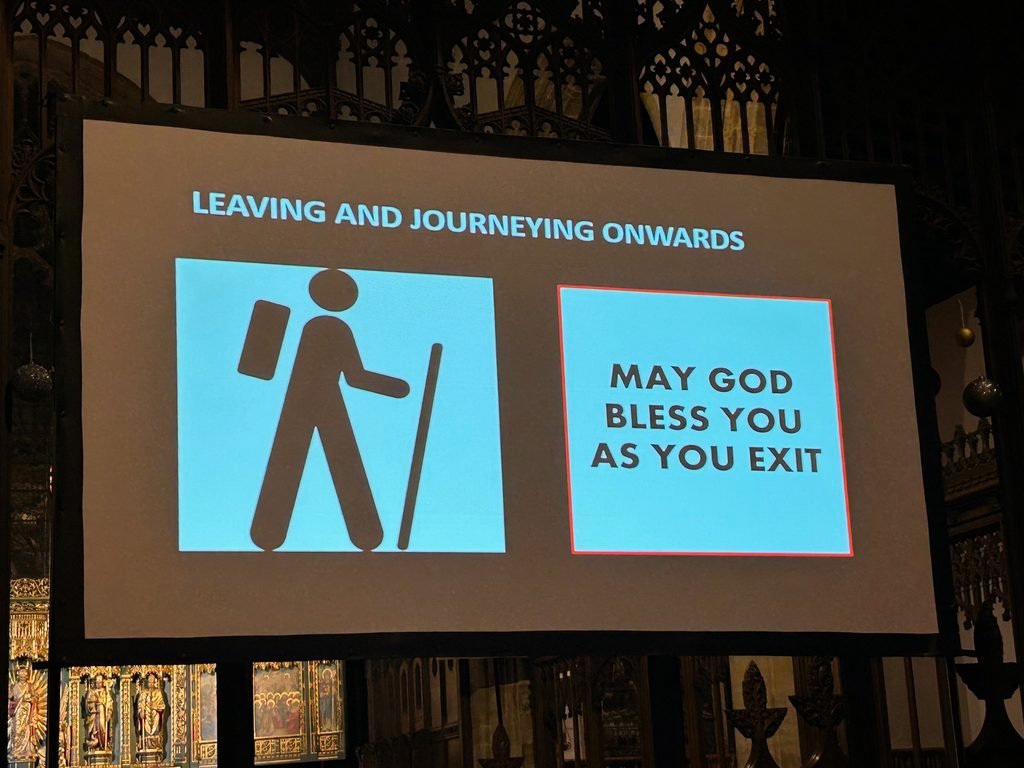
And bizarrely, the Goodbye too! Did I leave with a feeling that I was welcome there?
Keeping this blog fairly short, I hope my thoughts prompt you to comment on your own reflections and experiences at visitor attractions, and especially at our member cathedrals, abbeys, minsters, shrines and sacred spaces. Did you feel welcome? How were you made to feel welcome? Did you get a sense of belonging or that someone or some place was interested in reaching YOU, rather than you having to touch them?
If you are responsible for Visitor Experience, what are your priorities and what makes visitor welcome easy or tricky?
Do get in touch and let’s collate some excellent examples of great welcome, where visitors feel at ease and want to come back!
Comment here or email me.
sarah.page@cathedralsplus.org.uk
No responses yet